
Learn everything parents need to know about pediatric care, including child growth, developmental milestones, nutrition, vaccinations, common illnesses, safety, and when to visit a pediatrician. Evidence-informed and easy to understand.
Pediatric care is specialized healthcare for infants, children, and adolescents that focuses on healthy growth, disease prevention, early diagnosis, treatment of illnesses, developmental monitoring, vaccinations, nutrition, and emotional well-being. Regular pediatric care helps children reach important developmental milestones and supports lifelong health through preventive care and timely medical guidance.
Table of Contents
Introduction
From a baby’s first cry to the challenges of adolescence, every stage of childhood brings remarkable growth and new healthcare needs. Parents often have questions about feeding, sleep, vaccinations, illnesses, behavior, and development. Reliable guidance can make these decisions easier and help children thrive.
Pediatric care is much more than treating illness. It emphasizes prevention, healthy development, early identification of concerns, and partnership with families. Regular check-ups allow healthcare professionals to monitor growth, provide age-appropriate advice, administer recommended immunizations, and identify potential problems before they become more serious.
Whether you are a first-time parent, caring for a growing child, or supporting a teenager, understanding the basics of pediatric care can help you make informed decisions and create a healthier future for your child.
This guide explains the essentials of pediatric care using evidence-informed information presented in a clear and practical way. It is designed to help parents understand what pediatric care involves, why it matters, and how everyday healthy habits contribute to a child’s physical, emotional, and developmental well-being.
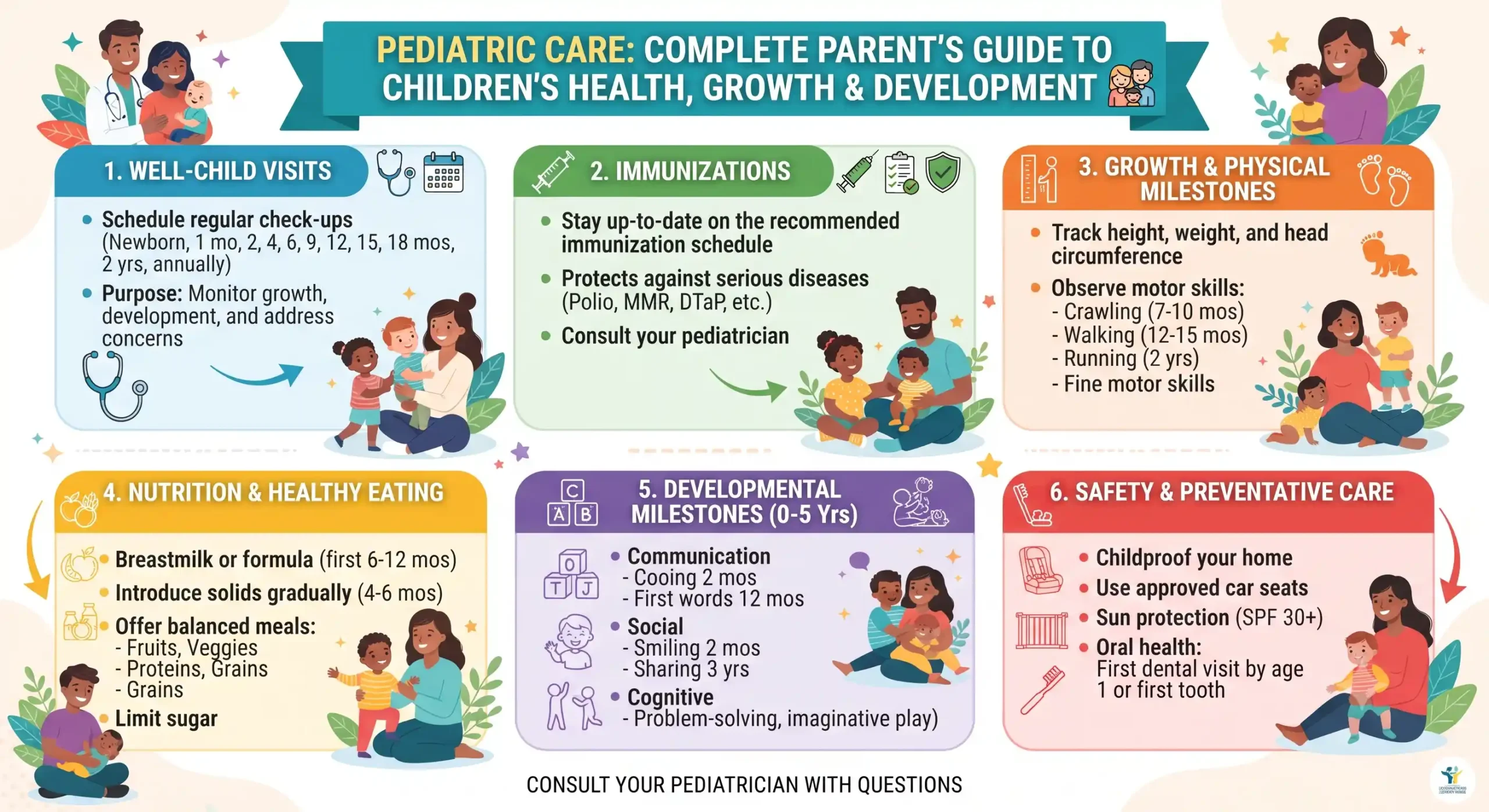
What Is Pediatric Care?
Pediatric care is the branch of healthcare dedicated to the medical needs of infants, children, and adolescents, from birth until they transition to adult healthcare.
Unlike adult medicine, pediatric care recognizes that children are continuously growing and developing. Their nutritional requirements, immune systems, emotional needs, and responses to illness differ significantly from those of adults. As a result, they require healthcare that is specifically tailored to each stage of development.
Pediatric care includes both preventive care and medical treatment. Preventive care focuses on keeping children healthy through routine health examinations, developmental assessments, immunizations, nutrition guidance, safety counseling, and early detection of health concerns. When illness or injury occurs, pediatric healthcare professionals diagnose, treat, and monitor conditions while considering the child’s age, growth, and overall development.
Beyond physical health, modern pediatric care also supports mental health, emotional well-being, learning, behavior, and healthy family relationships, recognizing that these factors are closely connected to a child’s overall health.
Rather than focusing only on illness, pediatric care emphasizes:
- Preventive healthcare
- Healthy growth
- Developmental monitoring
- Emotional well-being
- Family education
- Early intervention when concerns arise
Healthcare professionals who provide pediatric care consider the whole child—including physical health, emotional development, learning, behavior, nutrition, sleep, and family environment.
Why Pediatric Care Matters
The first years of life are a period of rapid brain development, physical growth, and emotional learning. During this time, healthy nutrition, adequate sleep, vaccinations, physical activity, and nurturing relationships have a lasting influence on lifelong health.
Children who receive consistent preventive healthcare are more likely to have health concerns identified early, allowing timely support and appropriate treatment when needed.
Children who receive consistent preventive healthcare are more likely to have health concerns identified early, allowing timely support and appropriate treatment when needed.
Who Provides Pediatric Care?
Children benefit from healthcare delivered by professionals who understand how the body, brain, and emotions develop from infancy through adolescence. Depending on a child’s age and health needs, pediatric care may involve a team of healthcare providers working together with parents and caregivers.
Pediatrician
A pediatrician is a medical doctor who specializes in the health of infants, children, and adolescents. Pediatricians provide preventive care, diagnose and treat illnesses, monitor growth and development, administer recommended immunizations, and guide families on nutrition, sleep, behavior, and safety.
Parents commonly visit a pediatrician for:
- Routine well-child checkups
- Vaccinations
- Fever, cough, and common infections
- Growth or developmental concerns
- Feeding and nutrition advice
- Allergies or asthma management
- School and sports health examinations
A pediatrician also coordinates care when a child needs additional evaluation from a specialist.
Family Physician
In many communities, a family physician provides healthcare for people of all ages, including children. Family physicians can manage routine childhood illnesses, preventive care, and health screenings. If a child develops a complex medical condition, they may refer the family to a pediatric specialist.
Pediatric Specialists
Some children require care from doctors with advanced training in specific areas of pediatric medicine. Examples include:
| Specialist | Focus |
|---|---|
| Pediatric Cardiologist | Heart conditions |
| Pediatric Neurologist | Brain and nervous system disorders |
| Pediatric Endocrinologist | Hormone and growth disorders |
| Pediatric Gastroenterologist | Digestive system conditions |
| Pediatric Pulmonologist | Lung and breathing disorders |
| Pediatric Orthopedic Surgeon | Bone and joint problems |
| Pediatric Psychiatrist | Mental health conditions |
Most healthy children never need these specialists, but they are important when specialized care is required.
Allied Healthcare Professionals
Comprehensive pediatric care often includes other healthcare professionals who support different aspects of a child’s development.
These may include:
- Pediatric nurses
- Registered dietitians
- Physical therapists
- Occupational therapists
- Speech-language pathologists
- Child psychologists
- Social workers
- Lactation consultants
Working together, these professionals help children achieve their best possible physical, emotional, and developmental outcomes.
Stages of Child Growth
Children grow rapidly, but growth does not happen at the same pace throughout childhood. Each stage has unique physical, cognitive, emotional, and social milestones.
Understanding these stages helps parents recognize normal development and identify when additional medical guidance may be helpful.
Newborn (Birth to 1 Month)
The newborn period involves major adjustments after birth.
Healthcare priorities include:
- Feeding and weight gain
- Sleep patterns
- Jaundice assessment
- Umbilical cord care
- Early hearing and newborn screening tests
- Parent education
Frequent medical visits help ensure healthy adaptation during the first weeks of life.
Infancy (1 Month to 12 Months)
Infants experience the fastest growth of any stage of life.
Important developmental milestones include:
- Smiling socially
- Rolling over
- Sitting without support
- Crawling
- Standing
- Saying simple words
- Responding to familiar voices
- Beginning solid foods around the recommended age
Healthcare focuses on:
- Growth monitoring
- Nutrition guidance
- Vaccinations
- Developmental screening
- Injury prevention
Toddler (1–3 Years)
Toddlers become increasingly independent while exploring their environment.
Parents often notice:
- Walking and running
- Climbing
- Language development
- Curiosity
- Emotional outbursts
- Toilet training readiness
- Rapid learning through play
Routine healthcare emphasizes healthy nutrition, injury prevention, communication skills, and behavioral guidance.
Preschool Age (3–5 Years)
Children develop stronger thinking, communication, and social skills.
Many preschoolers learn to:
- Dress independently
- Speak in longer sentences
- Follow simple instructions
- Play cooperatively
- Recognize colors and shapes
- Improve balance and coordination
Healthcare continues to monitor development while encouraging healthy habits before school begins.
School-Age Children (6–12 Years)
During school years, growth becomes steadier.
Healthcare priorities include:
- Healthy eating
- Physical activity
- Vision and hearing checks
- Dental health
- Emotional well-being
- School performance
- Social relationships
- Healthy sleep habits
This stage is also an opportunity to encourage lifelong healthy behaviors.
Adolescence (13–18 Years)
Adolescence involves significant physical, emotional, and hormonal changes.
Healthcare focuses on:
- Puberty
- Mental health
- Nutrition
- Physical activity
- Healthy relationships
- Sleep
- Substance use prevention
- Sexual and reproductive health education
- Building independence in healthcare decisions
Open communication between teenagers, parents, and healthcare professionals becomes increasingly important during this stage.
Well-Child Visits
Well-child visits are scheduled health checkups for children who are not currently ill. These appointments are one of the most effective ways to promote lifelong health because they focus on prevention rather than treatment.
Each visit allows healthcare professionals to evaluate growth, development, and overall well-being while answering parents’ questions and addressing concerns early.
Why Well-Child Visits Matter
Regular visits help healthcare providers:
- Track growth over time
- Monitor developmental milestones
- Administer recommended immunizations
- Assess hearing and vision when appropriate
- Discuss nutrition and healthy eating
- Review sleep habits
- Provide safety guidance
- Identify developmental or behavioral concerns early
- Support parents with age-specific advice
These visits create a continuous health record that helps identify subtle changes over time.
What Happens During a Well-Child Visit?
Although every visit is tailored to the child’s age, a routine appointment may include:
Medical History
The healthcare provider asks about:
- Feeding habits
- Sleep
- Physical activity
- Illnesses since the last visit
- Medications
- Allergies
- Family medical history
- School or daycare concerns
Physical Examination
The child may have:
- Height measured
- Weight measured
- Head circumference (for infants)
- Blood pressure (when appropriate)
- Heart and lung examination
- Vision assessment (age-appropriate)
- Hearing assessment (age-appropriate)
- Skin examination
- Musculoskeletal assessment
Developmental Assessment
Healthcare professionals observe whether children are meeting expected milestones in:
- Motor skills
- Speech and language
- Learning
- Social interaction
- Emotional development
If concerns arise, further evaluation or early intervention may be recommended.
Parent Education
Every visit is an opportunity for parents to ask questions about:
- Feeding
- Sleep
- Toilet training
- Behavior
- Screen time
- Safety
- School readiness
- Physical activity
No concern is too small to discuss. Early conversations often prevent larger problems later.
Growth & Development Monitoring
Growth is one of the most important indicators of a child’s overall health.
Rather than looking at a single measurement, healthcare professionals evaluate how children grow over time.
Growth Measurements
Common measurements include:
- Weight
- Height or length
- Head circumference (during infancy)
- Body Mass Index (BMI) for appropriate age groups
These measurements are compared with standardized growth charts to understand whether a child is following a healthy growth pattern.
Growth naturally varies between children because genetics, nutrition, activity level, and overall health all influence development.
Developmental Milestones
Developmental milestones are skills that most children achieve within a general age range.
These include:
Physical Development
Examples include:
- Rolling
- Sitting
- Walking
- Running
- Jumping
- Fine hand movements
Cognitive Development
Children gradually learn to:
- Solve problems
- Recognize patterns
- Remember information
- Follow instructions
- Develop attention skills
Language Development
Milestones include:
- Babbling
- First words
- Short sentences
- Storytelling
- Reading readiness
Social and Emotional Development
Children also learn to:
- Express emotions
- Build friendships
- Share with others
- Develop confidence
- Manage frustration
- Become increasingly independent
Every child develops at their own pace. Small differences are common, but significant delays should be discussed with a qualified healthcare professional for appropriate evaluation and support.
⭐ Expert Tip
Growth and development are influenced by genetics, nutrition, sleep, physical activity, a supportive home environment, and access to preventive healthcare. Regular well-child visits provide the best opportunity to monitor these factors together and address concerns early.
Nutrition & Healthy Lifestyle
Good nutrition is one of the strongest foundations for a child’s growth, learning, and overall health. During childhood, the body and brain develop rapidly, making a balanced diet essential for healthy bones, muscles, organs, and cognitive development.
Healthy eating habits established early in life often continue into adulthood, reducing the risk of obesity, type 2 diabetes, heart disease, and other chronic health conditions.
Why Nutrition Matters
Proper nutrition helps children:
- Grow at a healthy rate
- Build strong bones and muscles
- Support brain development and learning
- Strengthen the immune system
- Maintain healthy energy levels
- Heal from illness and injury
- Develop healthy eating habits for life
No single food provides every nutrient a child needs. A varied, balanced diet is the best approach.
Building a Balanced Plate
A healthy meal should include a variety of food groups:
| Food Group | Benefits | Examples |
|---|---|---|
| Fruits | Vitamins, minerals, fiber | Apples, bananas, berries, oranges |
| Vegetables | Fiber and essential nutrients | Spinach, carrots, broccoli, tomatoes |
| Whole Grains | Energy and fiber | Oats, brown rice, whole-wheat bread |
| Protein Foods | Growth and muscle development | Eggs, beans, lentils, fish, lean poultry |
| Dairy or Fortified Alternatives | Calcium and vitamin D | Milk, yogurt, cheese, fortified soy beverages |
Choosing colorful fruits and vegetables helps provide a wide range of nutrients.
Healthy Lifestyle Habits
Nutrition is only one part of a healthy lifestyle. Parents can also encourage:
- Daily physical activity
- Adequate sleep based on age
- Drinking water instead of sugary beverages
- Limited consumption of highly processed foods
- Family meals whenever possible
- Healthy screen time habits
- Good hand hygiene and oral care
Small daily habits often have a greater long-term impact than occasional major changes.
Vaccinations
Vaccination is one of the most effective public health measures for protecting children from serious infectious diseases.
Vaccines help the immune system recognize and fight specific germs before they can cause severe illness. They not only protect the vaccinated child but also help reduce the spread of disease within the community.
Benefits of Childhood Vaccination
Recommended vaccines can help prevent diseases such as:
- Measles
- Mumps
- Rubella
- Polio
- Diphtheria
- Tetanus
- Pertussis (Whooping Cough)
- Hepatitis B
- Rotavirus
- Pneumococcal disease
- Influenza (seasonal flu, where recommended)
Following the recommended immunization schedule provides protection during the ages when children are most vulnerable.
Vaccine Safety
Vaccines undergo extensive testing before approval and continue to be monitored for safety after they become available.
Most children experience only mild, temporary side effects, such as:
- Mild fever
- Soreness at the injection site
- Temporary fussiness
- Fatigue
Serious reactions are rare, but parents should seek medical care immediately if a child develops symptoms such as difficulty breathing, severe swelling, or persistent high fever after vaccination.
If you have questions about your child’s vaccination schedule or medical history, consult your pediatric healthcare provider.
Common Childhood Health Concerns
Most children experience several common illnesses while growing up. Many are mild and improve with supportive care, but some require prompt medical evaluation.
Understanding the difference between common symptoms and warning signs helps parents respond appropriately.
Common Conditions
Some frequently encountered childhood illnesses include:
- Common cold
- Fever
- Ear infections
- Sore throat
- Viral gastroenteritis
- Seasonal allergies
- Asthma
- Mild skin rashes
- Conjunctivitis (pink eye)
Many viral illnesses improve with rest, hydration, and symptom management, while bacterial infections may require medical treatment.
When Symptoms Need Medical Attention
Parents should contact a healthcare professional if a child experiences:
- Fever in a very young infant
- Difficulty breathing
- Persistent vomiting or diarrhea
- Signs of dehydration
- Severe ear pain
- Rash with fever
- Persistent cough
- Poor feeding
- Extreme tiredness or unusual sleepiness
- Symptoms that continue to worsen
Early medical evaluation can help prevent complications and ensure appropriate treatment.
Mental & Emotional Well-being
A child’s health includes emotional, behavioral, and social well-being—not just physical health.
Children who feel safe, supported, and connected are more likely to develop confidence, resilience, and healthy relationships.
Supporting Emotional Health
Parents and caregivers can encourage healthy emotional development by:
- Spending quality time together
- Listening without judgment
- Maintaining consistent routines
- Encouraging play and creativity
- Praising effort rather than perfection
- Teaching healthy ways to express emotions
Open communication helps children feel comfortable discussing worries, fears, and challenges.
Recognizing Possible Concerns
Professional guidance may be helpful if a child has persistent:
- Anxiety
- Sadness
- Aggressive behavior
- Difficulty concentrating
- Major sleep problems
- Withdrawal from family or friends
- Significant changes in school performance
Early support often leads to better outcomes.
Child Safety
Many childhood injuries can be prevented with simple safety measures at home, school, and during play.
Parents should adapt safety strategies as children grow and become more independent.
Home Safety
Important safety practices include:
- Keep medicines and cleaning products locked away.
- Cover electrical outlets where appropriate.
- Install safety gates for young children.
- Secure heavy furniture to walls.
- Store sharp objects safely.
- Test smoke alarms regularly.
Outdoor Safety
Encourage children to:
- Wear properly fitted helmets when cycling.
- Use age-appropriate car seats and seat belts.
- Follow road safety rules.
- Wear life jackets near open water when appropriate.
- Apply sunscreen during prolonged outdoor activities.
Digital Safety
As children spend more time online:
- Set age-appropriate screen time limits.
- Encourage respectful online behavior.
- Discuss internet safety openly.
- Monitor younger children’s online activities.
- Teach children never to share personal information with strangers online.
⭐ Parent Tip
Children learn more from what adults do than from what adults say. Modeling healthy eating, regular exercise, kindness, good sleep habits, and safe behaviors can positively influence a child’s lifelong health.
When to Visit a Pediatrician
Children may become ill or experience changes in their growth and development that require medical attention. While many minor illnesses improve with home care, some symptoms should always be evaluated by a healthcare professional.
You should schedule a visit with a pediatrician if your child has:
- A fever that persists or is accompanied by concerning symptoms.
- Frequent vomiting or diarrhea.
- Poor appetite or difficulty feeding.
- Unexplained weight loss or poor weight gain.
- Persistent cough or wheezing.
- Ear pain or repeated ear infections.
- Ongoing abdominal pain.
- Skin rashes that spread, worsen, or are accompanied by fever.
- Delayed speech, movement, or other developmental milestones.
- Changes in behavior, mood, or school performance.
- Difficulty sleeping that affects daily life.
- Any health concern that does not improve with appropriate home care.
Parents know their children best. If something feels unusual or your child’s condition worsens, it is appropriate to seek medical advice.
Emergency Warning Signs
Some symptoms require immediate emergency medical care rather than waiting for a routine appointment.
Seek emergency medical attention immediately if your child has:
- Difficulty breathing or severe shortness of breath.
- Blue or gray lips, face, or fingernails.
- Loss of consciousness.
- Seizures, especially a first-time seizure.
- Severe allergic reaction with swelling of the face or throat.
- Serious head injury.
- Heavy or uncontrolled bleeding.
- Severe burns.
- Suspected poisoning.
- Persistent confusion or inability to wake up normally.
- Severe dehydration (very little urine, extreme lethargy, dry mouth, no tears when crying).
- High fever in a very young infant as advised by your healthcare provider or local medical guidance.
If you believe your child’s life may be in danger, contact your local emergency medical services immediately.
Parent Checklist for Healthy Childhood
Use this checklist to support your child’s overall health.
Preventive Care
- □ Schedule regular well-child visits.
- □ Keep vaccinations up to date.
- □ Monitor your child’s growth and development.
- □ Attend routine dental and vision checkups.
Healthy Lifestyle
- □ Offer a balanced, nutritious diet.
- □ Encourage daily physical activity.
- □ Promote healthy sleep habits.
- □ Limit sugary drinks and ultra-processed foods.
- □ Encourage regular water intake.
Safety
- □ Use appropriate car seats and seat belts.
- □ Childproof your home where needed.
- □ Keep medicines and cleaning products out of reach.
- □ Teach road, water, and fire safety.
- □ Supervise children during play and near water.
Emotional Well-being
- □ Spend quality time together.
- □ Encourage open conversations.
- □ Support healthy friendships.
- □ Praise effort and positive behavior.
- □ Seek professional help if emotional or behavioral concerns persist.
Frequently Asked Questions (FAQs)
1. What age does pediatric care cover?
Pediatric care generally begins at birth and continues through childhood and adolescence. The exact transition to adult healthcare may vary depending on local healthcare systems and individual needs.
2. How often should my child have a well-child visit?
Visit schedules are more frequent during infancy and early childhood because growth and development occur rapidly. Your healthcare provider will recommend an age-appropriate schedule.
3. Are vaccinations necessary if my child appears healthy?
Yes. Vaccinations help prevent serious infectious diseases before a child is exposed. They are an important part of preventive healthcare.
4. How can I tell if my child is growing normally?
Healthcare professionals monitor height, weight, and other measurements over time using standardized growth charts. Growth patterns are generally more important than a single measurement.
5. When should I worry about developmental delays?
Children develop at different rates, but persistent delays in speech, movement, communication, or social interaction should be discussed with a healthcare professional.
6. What is the best diet for a growing child?
A balanced diet that includes fruits, vegetables, whole grains, lean proteins, healthy fats, and calcium-rich foods supports healthy growth and development.
7. How much sleep does my child need?
Sleep needs vary by age. Infants require the most sleep, while older children and teenagers still need sufficient daily sleep to support learning, growth, and overall health.
8. When should I take my child to the emergency department?
Seek emergency care if your child has difficulty breathing, severe injury, loss of consciousness, seizures, severe allergic reactions, or other life-threatening symptoms.
9. Can regular pediatric visits help prevent illness?
Yes. Preventive care includes vaccinations, growth monitoring, developmental screening, nutrition guidance, and early detection of health concerns, all of which help reduce health risks.
10. What should I bring to a pediatric appointment?
Bring your child’s health records, vaccination history, medication list, allergy information, and any questions or concerns you would like to discuss.
Key Takeaways
- Pediatric care supports children from infancy through adolescence.
- Preventive care is as important as treating illness.
- Regular well-child visits help monitor healthy growth and development.
- Balanced nutrition, physical activity, adequate sleep, and vaccinations are essential for lifelong health.
- Early recognition of developmental, behavioral, or medical concerns allows timely intervention.
- Child safety at home, school, outdoors, and online is an important part of pediatric care.
- Parents and healthcare professionals work together to help children achieve their full potential.
Trusted References
The information in this article is based on guidance from internationally recognized health organizations and standard pediatric practice. Before publication, verify and link to the latest available recommendations.
Recommended reference sources include:
Medical Disclaimer
This article is intended for educational purposes only and should not replace professional medical advice, diagnosis, or treatment. Every child is unique, and healthcare decisions should always be made in consultation with a qualified pediatric healthcare professional. If your child has severe symptoms or a medical emergency, seek immediate medical care or contact your local emergency services.
Conclusion
Pediatric care is an ongoing partnership between families and healthcare professionals that begins at birth and continues through adolescence. By focusing on prevention, regular health checkups, balanced nutrition, timely vaccinations, healthy lifestyle habits, and early recognition of developmental or medical concerns, parents can help children grow into healthier adults.
Every child develops at their own pace, but consistent pediatric care provides the guidance and support needed to navigate each stage of growth with confidence. Staying informed, maintaining regular well-child visits, and seeking medical advice when concerns arise are among the most effective ways to protect your child’s health today and in the future.