
Learn about common childhood illnesses like colds, ear infections, and fever. Discover practical home care tips and clear warning signs for when to seek medical care.
Common childhood illnesses include the common cold, ear infections, viral fevers, and stomach bugs. Most of these conditions are mild and resolve with supportive home care, proper hydration, and rest. However, parents should know key warning signs—such as breathing difficulties, persistent high fever, or signs of dehydration—that require prompt evaluation by a pediatrician or healthcare professional.
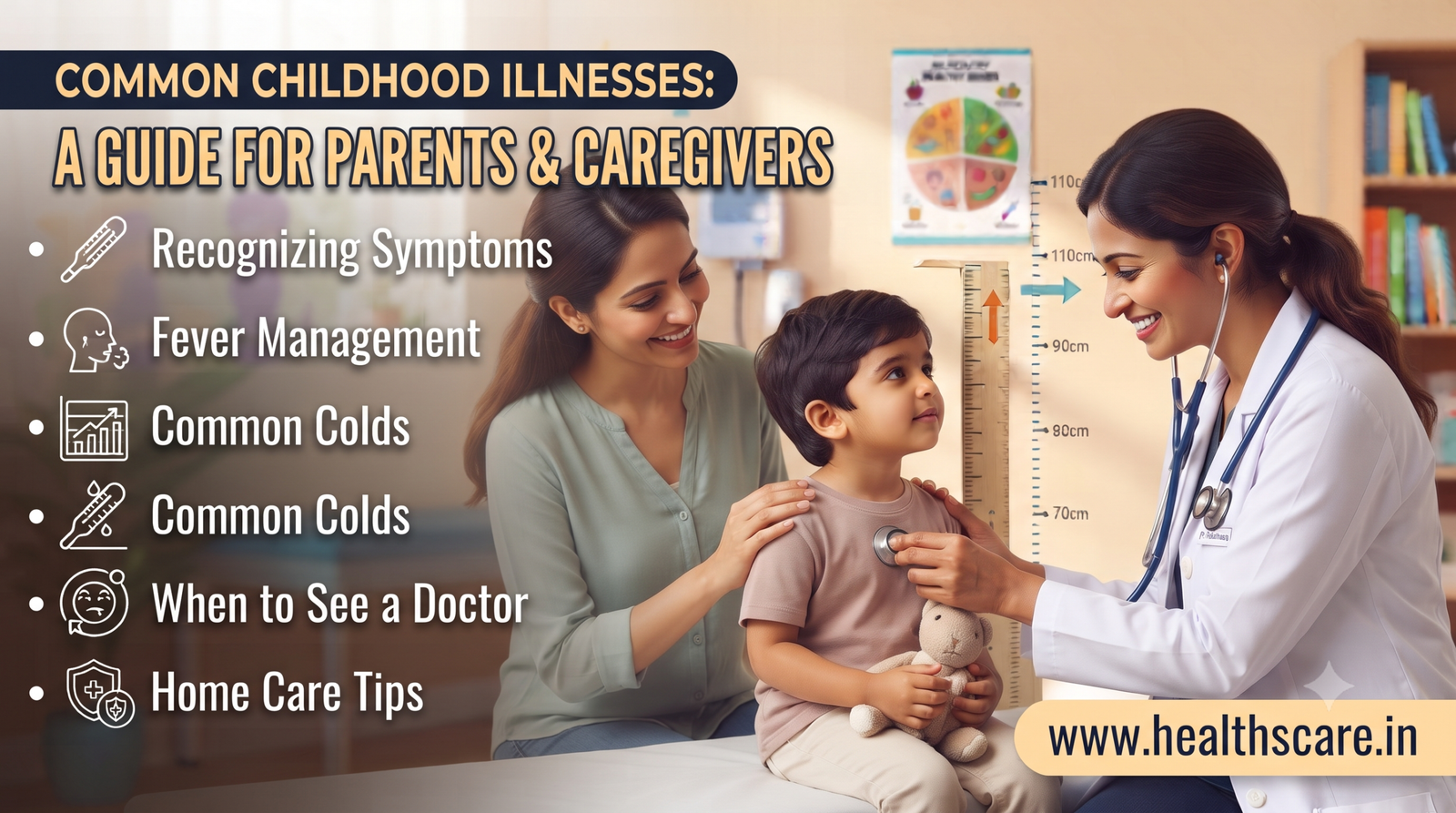
Table of Contents
Introduction
Few experiences match the worry a parent feels when their child wakes up with a sudden fever, a stubborn cough, or a complaint of a tummy ache. Childhood illnesses are a normal part of growing up as a child’s immune system encounters and learns to fight off various common viruses and bacteria.
While these illnesses are often expected, navigating them can feel overwhelming and stressful for families. Understanding what to expect, how to provide comfort at home, and when professional medical attention is necessary can help parents manage these moments with confidence and calm assurance.
Why Common Illnesses Happen in Children
Children’s immune systems are continually developing. Because young children are frequently in close contact with others at daycare, school, or playgroups, they are routinely exposed to circulating respiratory and gastrointestinal viruses.
According to guidance from public health organizations like the World Health Organization (WHO) and the Centers for Disease Control and Prevention (CDC), experiencing several mild viral infections each year is a standard part of building a mature immune system.
Common Childhood Illnesses: What Parents Should Know
While many conditions can affect children, a few routine illnesses account for the vast majority of pediatric doctor visits.
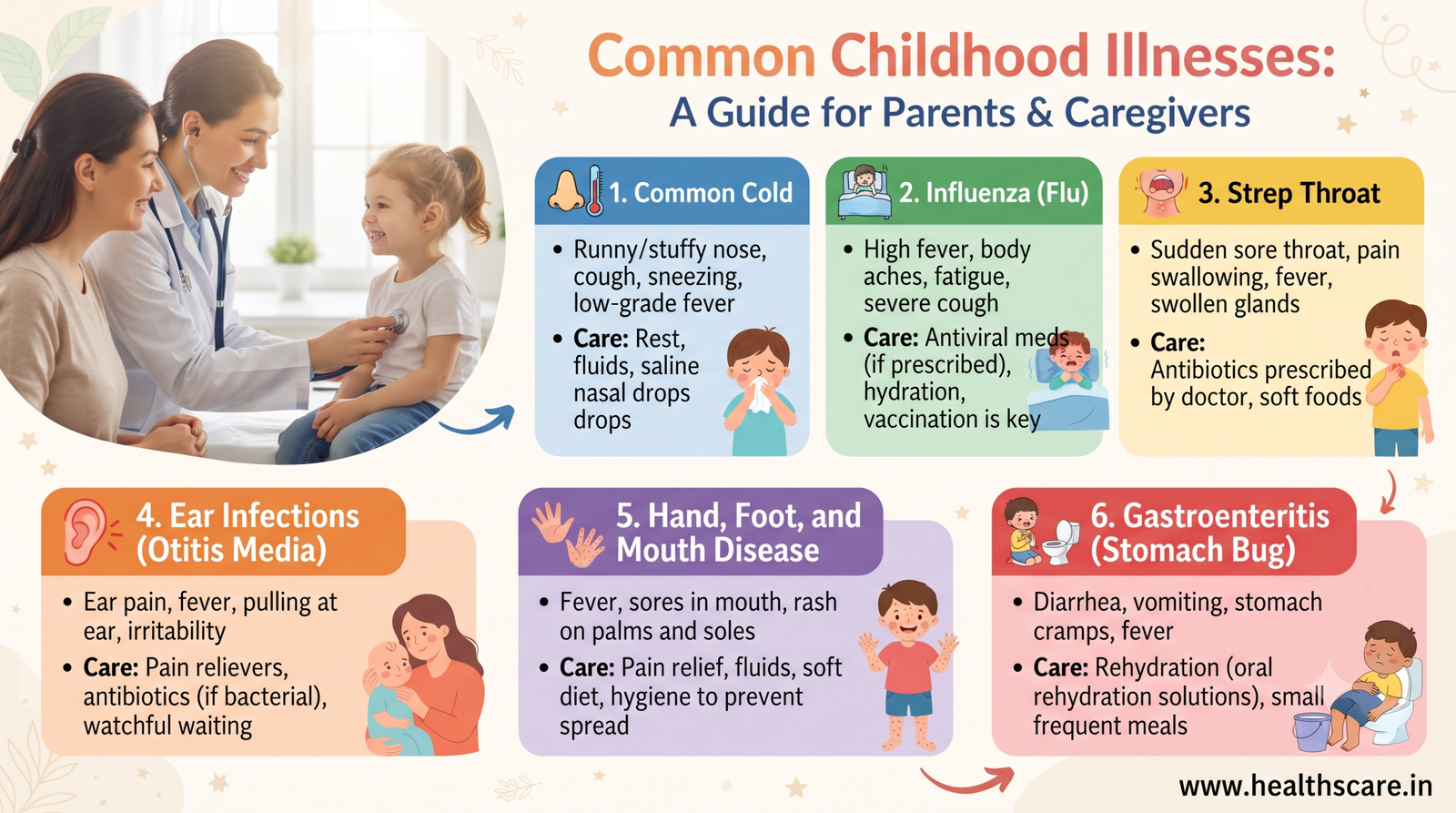
1. The Common Cold and Upper Respiratory Infections
The common cold is a viral infection affecting the nose and throat. Because children’s immune systems are still learning, a child may experience several colds a year.
Common Symptoms: Runny or stuffy nose, mild cough, sneezing, low-grade fever, and slight fatigue.
Approach to Care: Focus on comfort, rest, and plenty of fluids to keep airways moist and prevent dehydration.
2. Childhood Fever
A fever is not an illness itself; it is a sign that the body’s immune system is actively working to fight off an infection.
Common Symptoms: Elevated body temperature, flushed skin, warmth to the touch, and occasional mild chills.
Approach to Care: Monitor the child’s overall behavior and hydration rather than focusing solely on the thermometer reading. Encourage rest and regular sips of water.
3. Ear Infections (Otitis Media)
Ear infections frequently develop following a cold when fluid builds up behind the eardrum, sometimes becoming infected by bacteria.
Common Symptoms: Tugging or pulling at the ears, irritability, difficulty sleeping, or mild fever, particularly in infants and toddlers.
Approach to Care: A professional medical evaluation is necessary to determine if an ear infection is viral or bacterial and whether treatment is needed.
4. Stomach Bugs (Gastroviral Infections)
Gastroenteritis involves inflammation of the stomach and intestines, typically caused by contagious viruses.
Common Symptoms: Nausea, vomiting, watery diarrhea, and mild abdominal cramps.
Approach to Care: Preventing dehydration through small, frequent sips of water or oral rehydration solutions is the primary focus.
Supportive Home Care Strategies
When a child is sick, comfort and supportive care are often the best medicine.
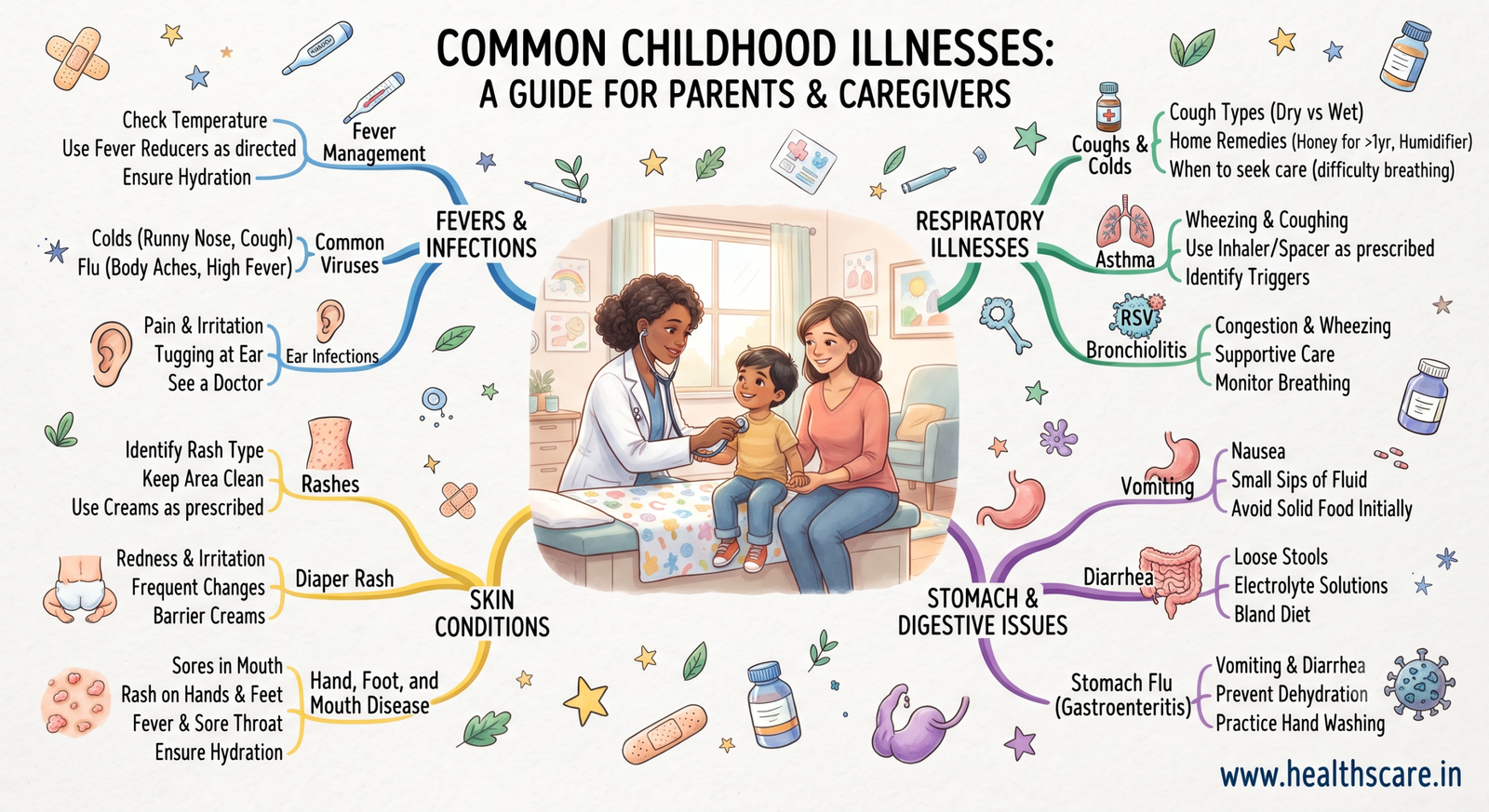
Prioritize Hydration: Offer water, clear broths, or oral rehydration solutions regularly. Avoid sugary drinks, which can worsen diarrhea.
Encourage Rest: A quiet, comfortable environment helps the body redirect energy toward healing.
Maintain Comfortable Air: Using a cool-mist humidifier in the child’s room can help soothe irritated nasal passages and a dry cough.
Comfortable Clothing: Dress children in light, breathable layers to help their bodies regulate temperature naturally during a fever.
When to See a Doctor
While most common childhood illnesses resolve safely at home, certain symptoms warrant a timely evaluation by a pediatrician or healthcare professional:
A fever in an infant under three months of age (seek medical evaluation immediately for any fever in this age group).
A fever that persists for more than a few days or rises above $39^{\circ}C$ (102.2°F) without responding to comfort measures.
Signs of dehydration, such as a dry mouth, crying without tears, or significantly fewer wet diapers.
Persistent vomiting or inability to keep fluids down.
Ear pain that is severe or accompanied by fluid drainage.
Emergency Warning Signs
Certain symptoms require immediate emergency medical evaluation. Call emergency services or go to the nearest emergency room if your child experiences:
Severe difficulty breathing (such as breathing very fast, pulling in the skin around the ribs, or bluish lips and face).
Extreme lethargy, difficulty waking up, or unresponsiveness.
Sudden confusion, disorientation, or seizures.
A stiff neck accompanied by a sudden, severe headache and high fever.
A sudden, non-blanching purple or red rash that looks like small bruises.
Key Takeaways
Normal Part of Growth: Common illnesses like colds and mild fevers help build a child’s developing immune system.
Focus on Comfort: Adequate rest and consistent hydration are the cornerstones of home care for viral illnesses.
Monitor Behavior: A child’s alertness and responsiveness are often more important indicators of illness severity than the thermometer reading.
Know the Red Flags: Be vigilant for signs of dehydration, persistent high fever, or unusual lethargy.
Seek Emergency Care Promptly: Respiratory distress, confusion, or severe lethargy require immediate emergency medical attention.
Consult Your Pediatrician: Always contact a healthcare professional if you feel your child’s symptoms are worsening or if you have specific concerns about their health.
Frequently Asked Questions
How can I tell if my child's fever is dangerous?
The height of a fever does not always reflect the severity of the illness. Focus instead on how your child behaves. If a child is alert, responds to parents, drinks fluids, and plays after a fever comes down, it is generally less concerning than a child who remains excessively lethargic, irritable, or difficult to wake.
Should I give antibiotics for a common cold or flu?
No. Antibiotics treat bacterial infections, whereas common colds, flus, and most ear or throat infections in children are caused by viruses. Antibiotics are ineffective against viruses and should only be used when prescribed by a doctor for diagnosed bacterial infections.
How do I prevent illnesses from spreading at home?
Thorough handwashing with soap and water for at least 20 seconds is one of the most effective ways to prevent the spread of germs. Regularly cleaning shared household surfaces and teaching children to cough or sneeze into their elbows also helps.
When can my child return to school or daycare after being sick?
Children should generally stay home until they have been fever-free for at least 24 hours without the use of fever-reducing medication and are well enough to participate fully in daily activities. Always follow specific guidance from your school or healthcare provider.
Medical Disclaimer
This article is for informational and educational purposes only and should not be construed as professional medical advice, diagnosis, or treatment. Always consult a qualified pediatrician or healthcare provider regarding any questions or concerns about a child’s health, symptoms, or medical needs.