
Discover the importance of early childhood education. Learn practical ways to support cognitive, social, and emotional learning at home naturally.
Early childhood education encompasses the vital cognitive, social, emotional, and physical development that occurs from birth through age eight. Providing an engaging, supportive environment during these formative years builds a strong foundation for lifelong learning, emotional resilience, and academic success. Parents can nurture early learning at home through play, interactive reading, consistent routines, and positive social engagement.
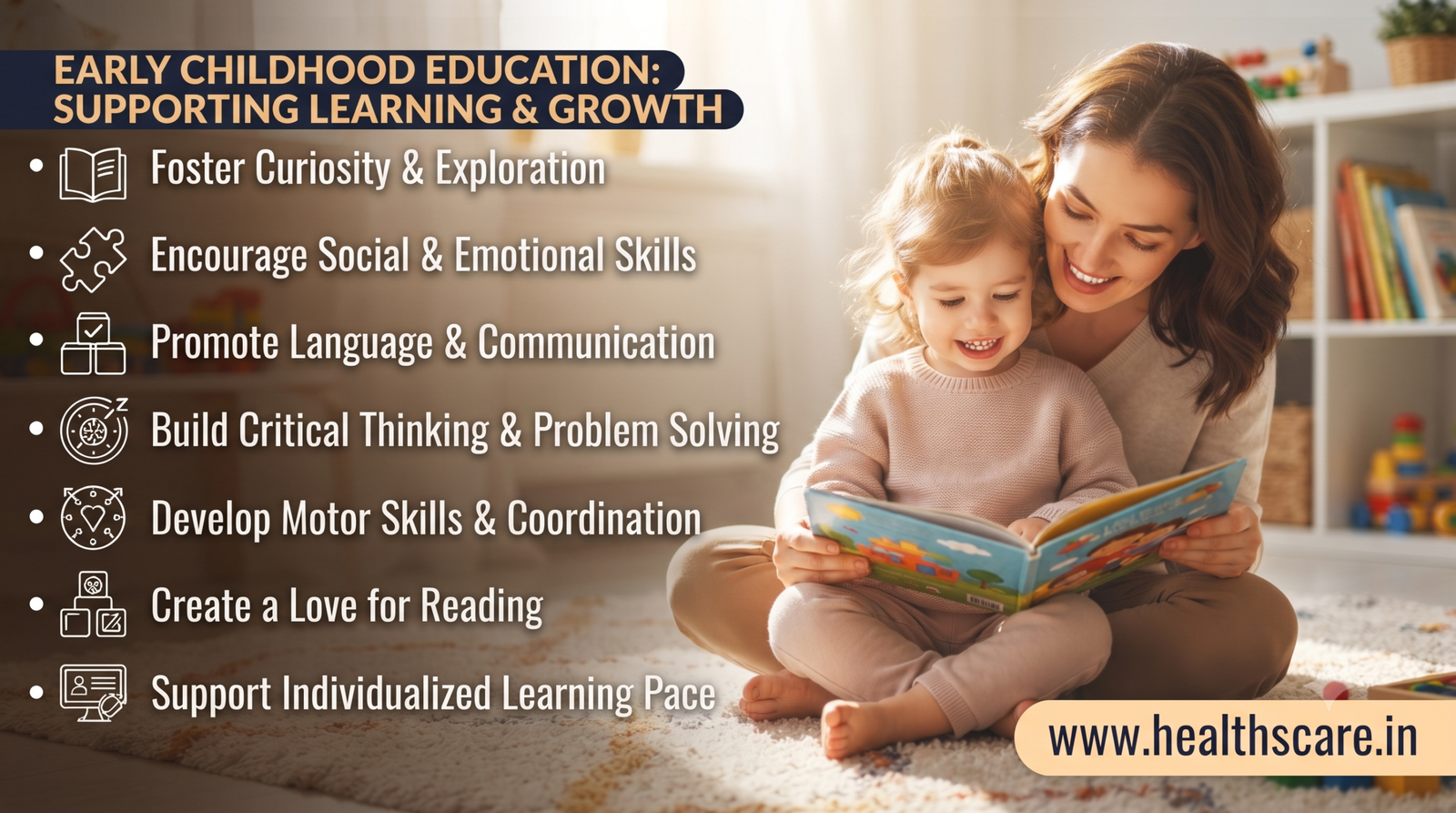
Table of Contents
Introduction
The first few years of a child’s life pass by in what feels like the blink of an eye. During this remarkable window, a child’s brain develops faster than at any other time in life. Every conversation, shared book, game of peek-a-boo, and outdoor exploration helps shape neural connections that influence how a child learns, thinks, and relates to the world.
For parents and caregivers, understanding early childhood education does not require formal classrooms or intense academic drills. Instead, it is about recognizing that young children learn best through active exploration, meaningful play, and warm, responsive relationships. By providing a secure and stimulating environment, families can make early learning a natural, joyful part of everyday life.
Why Early Childhood Education Matters
The experiences and interactions a child encounters during their early years lay the groundwork for all future development. According to developmental guidance from organizations like the World Health Organization (WHO) and the Centers for Disease Control and Prevention (CDC), supportive early learning environments help:
Stimulate rapid neural connections that support complex problem-solving and memory.
Build social and emotional skills, enabling children to share, express feelings, and cooperate with peers.
Support language acquisition and early literacy, which are critical for academic achievement.
Encourage physical coordination, balance, and motor skill development.
Core Pillars of Early Childhood Development
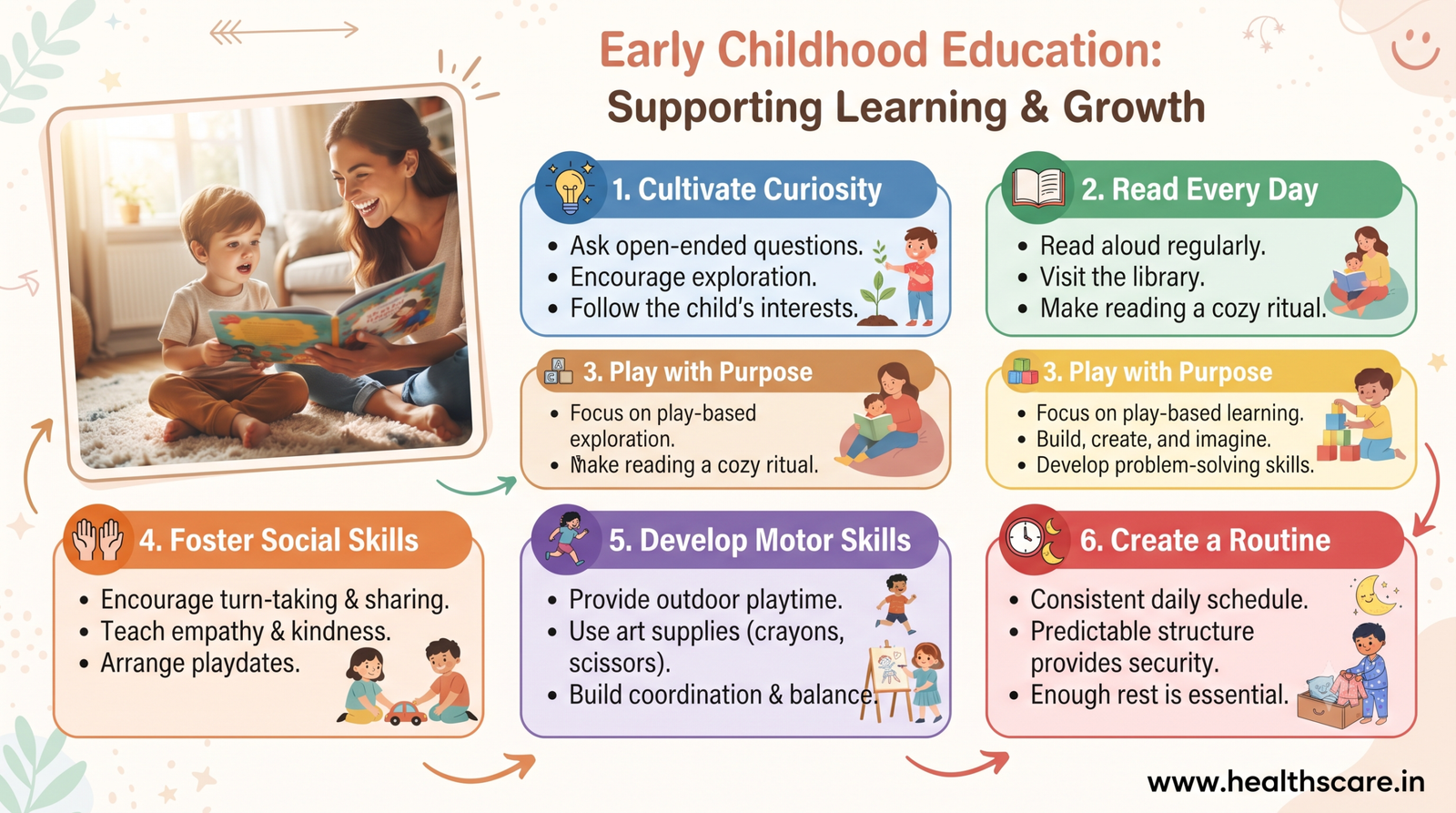
A well-rounded early education approach addresses multiple dimensions of growth simultaneously.
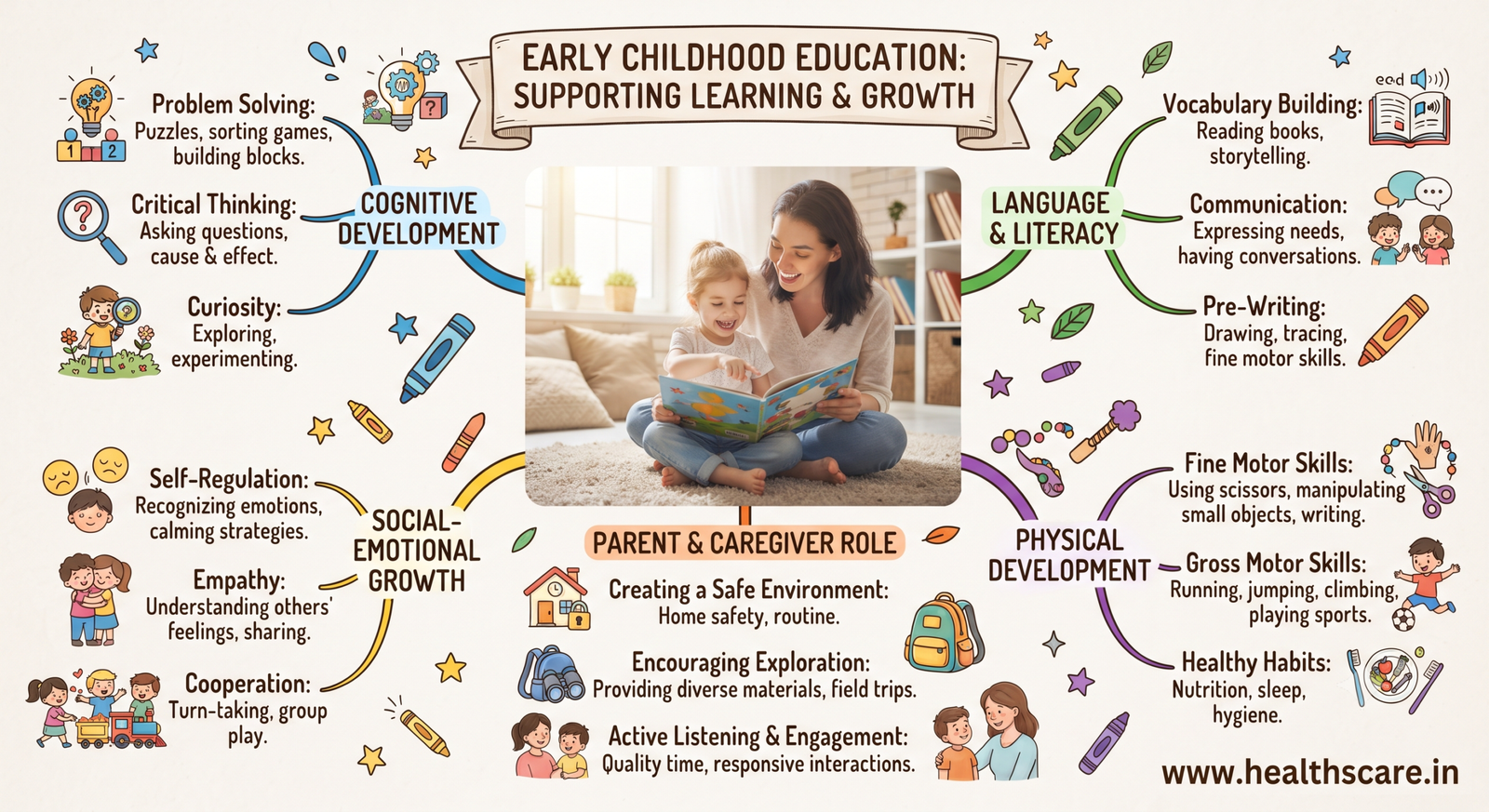
1. Cognitive and Language Development
Children absorb language and conceptual understanding at an astonishing rate. Everyday interactions are the primary vehicle for building these skills.
Conversational Engagement: Asking open-ended questions during play or daily chores encourages critical thinking and vocabulary expansion.
Shared Reading: Reading books together introduces new words, sparks imagination, and fosters a lifelong love of literature.
Exploration and Curiosity: Allowing children to explore safe environments, stack blocks, or solve simple puzzles builds early math and spatial reasoning skills.
2. Social and Emotional Growth
Learning how to understand and manage emotions is just as important as learning letters and numbers.
Emotional Literacy: Helping children label their feelings—such as feeling happy, frustrated, or excited—teaches emotional regulation.
Peer Interaction: Playdates, playground visits, and family sharing help children learn empathy, patience, and cooperation.
Secure Attachment: Knowing they have a safe, supportive adult to return to gives children the confidence to explore and learn independently.
3. Physical Motor Skills
Physical activity supports both bodily health and brain development through coordination and spatial awareness.
Fine Motor Skills: Activities like drawing, coloring, playing with clay, or stringing beads strengthen hand muscles required for writing later on.
Gross Motor Skills: Running, jumping, climbing, and balancing outdoors build core strength, agility, and physical confidence.
Practical Ways to Support Early Learning at Home
Parents do not need specialized teaching degrees to foster early education. Simple, everyday habits can make a profound impact.
Make Play the Priority: Play is a young child’s primary work. Through imaginative play, building blocks, and art, children test ideas, solve problems, and build resilience.
Establish Predictable Routines: Consistent daily schedules provide a sense of security, helping children transition smoothly between activities like meals, play, and bedtime.
Limit Screen Time: Prioritize interactive human engagement, physical play, and hands-on exploration over passive screen viewing to support healthy cognitive development.
Be an Active Listener: When your child asks questions or shares a discovery, give them your full attention. This validates their curiosity and encourages deeper inquiry.
Key Takeaways
Brain Development: The early years represent a critical window of rapid neural growth and learning capacity.
Learn Through Play: Play-based exploration is the most effective way for young children to build cognitive and social skills.
Nurture Language: Daily reading and open-ended conversations significantly expand a child’s vocabulary and comprehension.
Support Emotional Health: Teaching kids to identify and manage emotions fosters lifelong resilience.
Lead with Consistency: Predictable daily routines help children feel safe, secure, and ready to learn.
Consult Professionals: Speak with a pediatrician or child development specialist if you have specific concerns about your child’s developmental milestones.
Frequently Asked Questions
At what age should early childhood education begin?
Learning begins at birth through sensory interactions with caregivers. Structured or group-based early childhood education settings are often introduced around ages three to four, but home-based learning and responsive caregiving start from day one.
How can I encourage my child to love reading?
Read together every day in a cozy, relaxed environment. Point out pictures, ask questions about the story, and let your child choose books that capture their individual interests.
Is play-based learning really effective compared to academic drills?
Yes. Extensive research shows that play-based learning helps young children develop critical thinking, creativity, and social skills much more effectively than rigid, rote-learning drills, which can cause burnout and anxiety.
How much screen time is appropriate for young children?
Major health organizations recommend avoiding digital media other than video chatting for infants under 18 months, keeping limited, high-quality programming for toddlers, and ensuring that screen time never replaces active play, physical movement, or family interaction.
Medical Disclaimer
This article is for informational and educational purposes only and should not be construed as professional medical or educational advice, diagnosis, or treatment. Always consult a qualified pediatrician, educator, or healthcare provider regarding any specific questions or concerns about a child’s development or well-being.