
Want to feel more energetic and balanced every day? Read our comprehensive guide on simple, evidence-based daily health tips designed for real families.
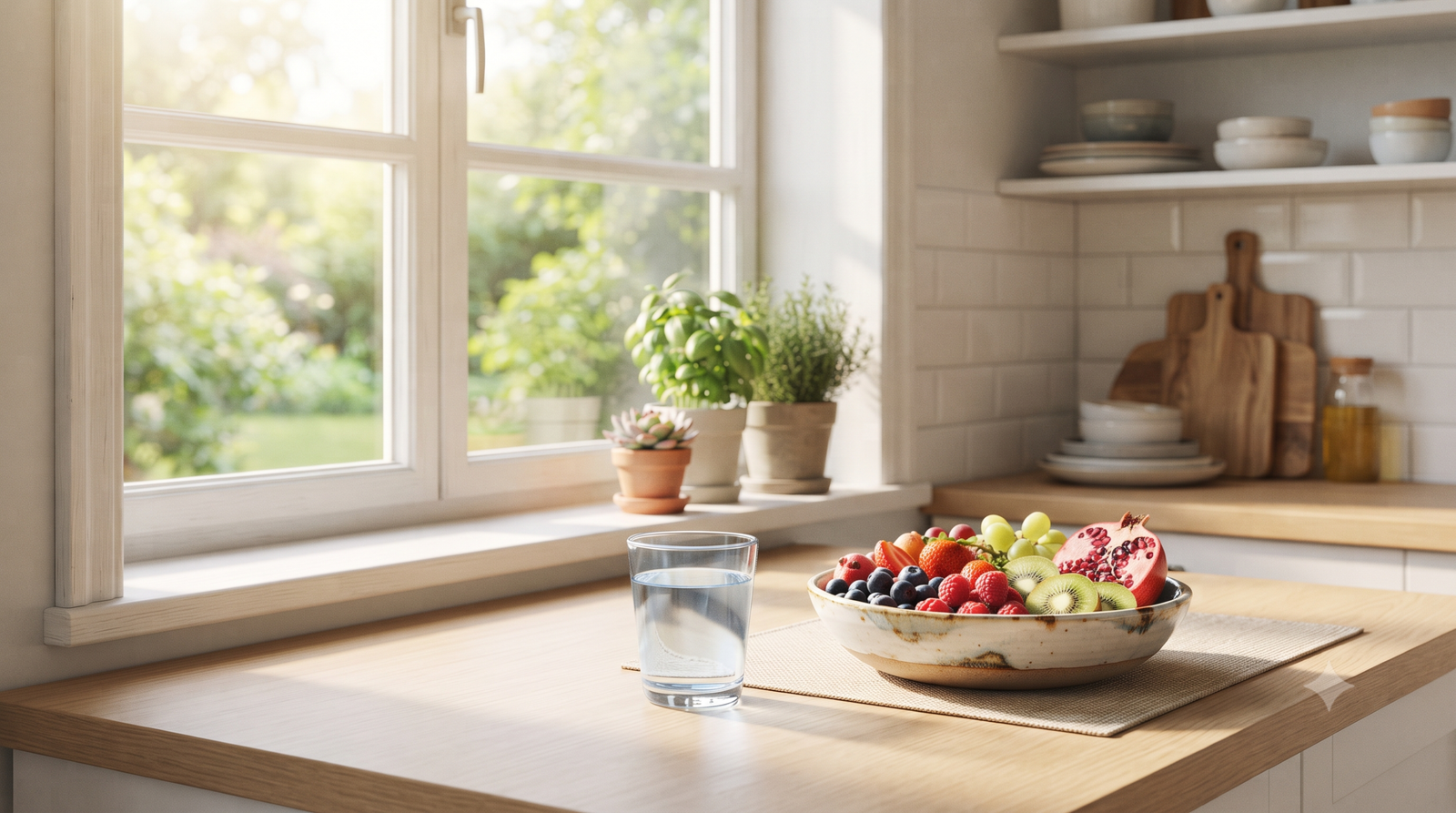
Improving your daily health does not mean you have to change your entire life overnight or follow extreme trends. True well-being comes from small, steady, and evidence-based changes that protect your body and clear your mind. By focusing on core habits—like eating whole foods, moving naturally each day, protecting your sleep, and drinking enough water—you can create a simple routine that builds long-term energy and health.
What Does It Mean to Live Healthier?
When we talk about health (health tips), it is easy to feel overwhelmed by conflicting online advice. You might feel confused or anxious about whether you are doing enough for yourself or your family.
A healthy lifestyle is simply a collection of small choices you make every day that support your physical body and emotional state. It is not about strict rules; it is about giving your body the right environment to thrive, recover, and stay strong.
The Fundamental Pillars of Daily Health Tips
To make health simple (health tips), think of your body as a system that requires a few basic inputs to function at its best. Here are the key pillars backed by established health guidelines:
1. Nourish Your Body with Whole Foods
What you eat provides the direct fuel for your cells, heart, and brain. Instead of counting numbers or eliminating food groups, try focusing on variety:
Add Vegetables and Fruits: Aim to fill half your plate with colorful plants to get essential vitamins.
Choose Whole Grains: Foods like oats and brown rice keep your energy levels steady throughout the day.
Include Lean Proteins: Proteins help maintain muscle mass and keep you feeling satisfied.
2. Keep Your Body Moving Naturally
Physical health (health tips) is closely linked to movement, but this does not mean you need an intense workout plan. Your body benefits from any consistent physical activity:
Daily Walking: A simple 20 to 30-minute walk can significantly improve heart health and lift your mood.
Gentle Stretching: Stretching in the morning or evening helps keep your joints flexible and relieves muscle tension.
Take Active Breaks: If you sit for work, stand up and stretch for two minutes every hour to keep blood circulating smoothly.
3. Protect Your Sleep Routine
Quality sleep is the foundation upon which all other health habits are built. When you sleep, your body repairs tissues, balances hormones, and processes memory.
Be Consistent: Try to go to bed and wake up at the same time every day, even on weekends.
Unwind Early: Turn off bright screens at least 30 minutes before bed to help your brain produce natural sleep hormones.
4. Stay Hydrated Throughout the Day
Water is essential for almost every function in the human body, from digestion to temperature control.
Keep Liquid Nearby: Carry a reusable water bottle to remind yourself to sip water throughout the day.
Listen to Your Body: If you feel an unexplained headache or dry mouth, it is often a sign your body needs fluid.
Practical Steps: How to Start Without Overwhelm
Making lifestyle updates can feel stressful if you try to fix everything at once. Here is a gentle, step-by-step way to build lasting habits safely:
| Step | Action | Why It Works |
| Step 1: Choose One Item | Pick just one simple habit this week (e.g., drinking one extra glass of water). | It avoids overwhelming your daily routine. |
| Step 2: Track Consistency | Focus on performing that one small action daily rather than perfectly. | Consistency builds permanent habits over time. |
| Step 3: Listen closely | Pay attention to how your body feels after moving or eating fresh food. | Positive feedback encourages you to keep going. |
| Step 4: Practice Kindness | If you miss a day, simply resume the habit the following morning. | Self-compassion protects your long-term success. |
When to Seek Professional Guidance
While daily habits support your well-being, they cannot replace the expert care of a qualified medical provider. It is important to remember that health conditions are influenced by many factors, including genetics and environment.
Please make an appointment with a doctor if you notice:
Persistent or unexplained symptoms like severe fatigue, chronic pain, or unexpected weight changes.
Feelings of severe stress, anxiety, or sadness that make it difficult to manage your daily tasks.
A need for personalized guidance regarding specific underlying medical conditions, chronic illnesses, or starting a completely new diet or exercise plan.
Key Takeaways
Healthy living is built on consistent, simple choices rather than strict perfection.
Focus on food variety by adding more fruits, vegetables, and whole foods to your meals.
Regular, gentle movement like walking is highly effective for your body and mind.
Protect your sleep schedule to give your body the time it needs to recover.
Always consult a healthcare professional for individual medical concerns or advice.
Frequently Asked Questions (FAQs)
How much water should I drink every day?
Fluid needs vary based on your age, activity level, and the weather. A general and safe approach is to drink when you feel thirsty and check that your urine is pale or clear.
Do I need to take daily vitamin supplements to be healthy?
For most people, a balanced diet filled with whole foods provides all the vitamins and minerals the body requires. Supplements should generally only be taken if a doctor confirms a deficiency through tests.
What is the easiest way to manage daily stress?
Simple actions can make a big difference. Taking deep, slow breaths for two minutes, stepping outside into nature, or spending time on a favorite hobby can help calm your nervous system.
Medical Disclaimer
This article provides general educational information only and is not a substitute for professional medical advice, diagnosis, or treatment. Always seek the advice of your physician or other qualified health provider with any questions you may have regarding a medical condition or before making significant changes to your lifestyle.